
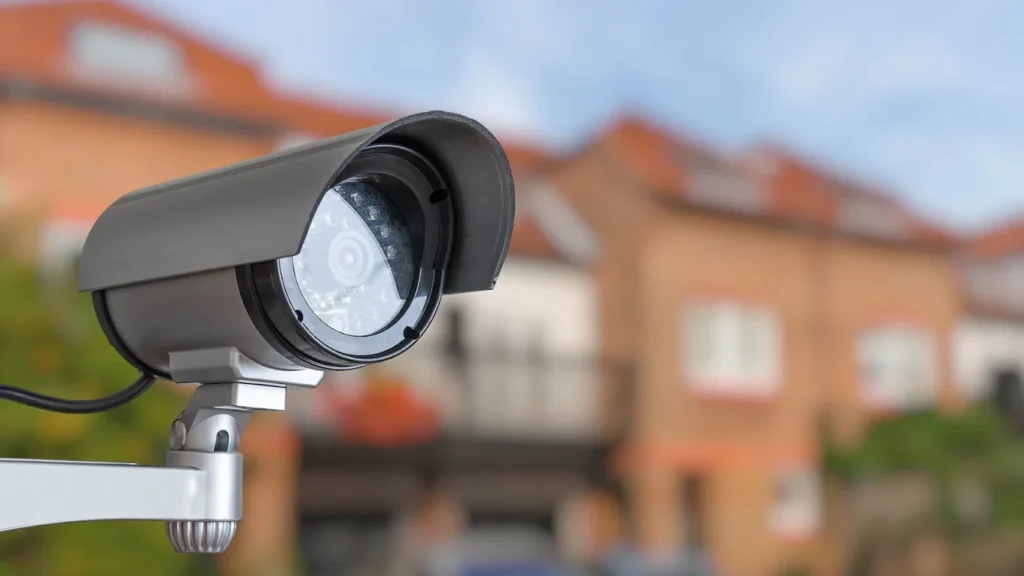
Installing cameras is only one part of protecting your property. Where you place them determines how effectively they capture activity, identify visitors, and reduce security blind spots. For homeowners considering security camera installation in Connecticut, planning coverage before mounting equipment can make a major difference in how useful the system becomes.
Every home has a different layout, number of entrances, driveway configuration, and outdoor environment. That means camera placement should be customized rather than based on a one-size-fits-all plan. Failsafe Security, LLC helps Connecticut homeowners design surveillance systems around their property’s specific security needs.
Why Does Security Camera Placement Matter for Connecticut Homes?
Good security camera placement helps ensure that important areas of your property remain visible while minimizing gaps in coverage. Even an expensive camera may provide limited value if it is aimed at the wrong area, installed too high, blocked by landscaping, or affected by poor lighting.
For most homes, the priority should be entrances, driveways, garages, side access points, and backyard areas. Cameras should also be positioned so their viewing areas complement one another instead of creating unnecessary overlap.
The goal of a well-designed home surveillance system is not simply to install more cameras. It is to create useful coverage where activity is most likely to occur.
Where Should You Install Security Cameras Around Your Home?
Front Door and Main Entrance
The front entrance is usually one of the most important places to monitor. Visitors, delivery drivers, contractors, and other people approaching your home commonly use this area.
A front door security camera should provide a clear view of people approaching the entrance rather than only showing the top of someone’s head. It may also help monitor packages and activity around the porch.
Some homeowners combine a traditional surveillance camera with a video doorbell for additional front-door visibility and two-way communication.
Driveway and Garage
Your driveway provides a natural approach route to your property, making it another valuable surveillance area.
A properly positioned driveway security camera can help capture vehicles entering or leaving your property, while a garage security camera can monitor garage doors and nearby access points.
If your garage has an interior door leading directly into your home, consider making sure the surrounding area is also covered. Detached garages may require additional cameras depending on their distance and location.
Back Door and Side Entrances
Homeowners often concentrate on the front door while overlooking less-visible entrances.
Back doors, basement doors, side doors, and side pathways can all benefit from camera coverage. These areas may have less natural visibility from the street or neighboring properties.
When planning where to place security cameras, review every practical route someone could use to approach your home—not just the main entrance.
Backyard, Patio, and Gates
Backyards can include multiple areas worth monitoring, including patios, decks, gates, sheds, and outdoor equipment.
A backyard security camera should provide useful visibility without being blocked by trees, patio structures, or other obstacles.
If your backyard has several access points, you may need more than one camera or a wider field of view to reduce blind spots.
First-Floor Access Points and Blind Spots
You do not necessarily need to point a camera at every first-floor window. Instead, think about how someone would approach those windows.
Strategically positioned outdoor security cameras can monitor side yards, narrow walkways, exterior corners, and routes leading toward accessible windows.
Look carefully for security camera blind spots, especially between two cameras or around corners where one camera’s field of view ends.
How High Should Security Cameras Be Mounted?
A common question is: how high should security cameras be mounted?
For many residential outdoor installations, approximately 8 to 10 feet can provide a useful balance between visibility and protection from easy tampering. However, there is no perfect height for every property.
Camera type, lens angle, mounting surface, desired viewing area, and distance from the subject all affect the ideal position.
Installing cameras too high may make faces more difficult to identify, while mounting them too low can leave the equipment vulnerable to tampering. Professional installers consider both security camera mounting height and field of view when designing coverage.
How Many Security Cameras Does a Connecticut Home Need?
There is no universal number of cameras that works for every home.
When determining how many security cameras you need, consider:
- Number of exterior entrances
- Home size and layout
- Driveway length
- Garage location
- Side-yard access
- Backyard configuration
- Sheds or detached structures
- Camera viewing angles
- Indoor versus outdoor monitoring goals
A smaller home with a simple layout may require only a few strategically placed cameras, while a larger property with multiple entrances and outbuildings may need additional coverage.
The best approach is to evaluate the property before deciding how many cameras to purchase.
What Security Camera Installation Mistakes Should Homeowners Avoid?
Several common mistakes can reduce the effectiveness of home security camera installation.
Mounting Cameras Too High or Too Low
Incorrect height may make useful identification difficult or expose cameras to tampering.
Leaving Side and Rear Areas Uncovered
Protecting only the front entrance can create major blind spots around the rest of the property.
Creating Gaps Between Cameras
Camera viewing areas should be planned so important pathways do not disappear between fields of view.
Ignoring Lighting Conditions
Bright lights, direct sunlight, reflections, and deep shadows may affect image quality.
Forgetting About Trees and Landscaping
Bushes and tree branches can grow into camera views over time. Seasonal changes should also be considered when selecting mounting locations.
These are some of the reasons homeowners may benefit from professional security camera installation instead of choosing locations without first evaluating the entire property.
What Should Connecticut Homeowners Consider Before Installing Outdoor Cameras?
Connecticut homes experience changing weather conditions throughout the year, so outdoor equipment should be selected and installed appropriately.
Choose cameras designed for exterior use and make sure installation locations provide reliable visibility during both daytime and nighttime conditions.
Exterior lighting should also be considered. Poorly positioned lights may create glare, while insufficient lighting can make certain areas difficult to monitor.
Homeowners should also consider privacy when positioning cameras. Cameras should primarily focus on your own property, entry points, and areas you have a legitimate reason to monitor. Avoid unnecessarily directing cameras toward spaces where neighbors or others may reasonably expect privacy.
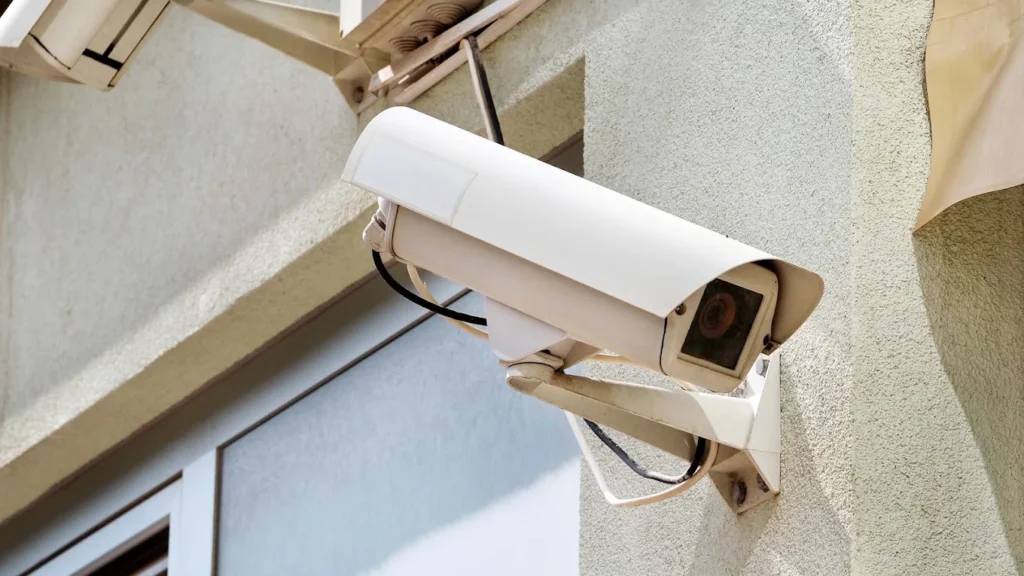
DIY vs. Professional Security Camera Installation: Which Is Better?
DIY cameras may work well for homeowners who need a simple setup with one or two devices. However, larger properties or more advanced surveillance systems can become complicated quickly.
Professional security camera installation in Connecticut may be especially valuable when you need:
- Multiple exterior cameras
- Professional wiring
- Reduced blind spots
- Optimized viewing angles
- Recording configuration
- Remote monitoring
- Integration with other security equipment
An experienced installer can evaluate your property before determining which camera locations and equipment are most appropriate.
Frequently Asked Questions About Home Security Camera Placement
Where Is the Best Place to Put Security Cameras Around a House?
Start with your main entrance, back and side doors, driveway, garage, backyard access points, and other common approach routes. The best locations depend on your home’s layout and existing blind spots.
Should Security Cameras Cover Every Entrance?
Whenever practical, major exterior entrances should receive coverage. Multiple cameras may not always be necessary if one properly positioned camera can clearly monitor more than one access point.
How High Should Outdoor Security Cameras Be Mounted?
Many residential cameras are installed around 8 to 10 feet high, but the ideal height depends on camera type, viewing distance, and the area being monitored.
How Many Outdoor Security Cameras Do I Need?
The answer depends on your property’s size, entrances, garage, driveway, yard layout, and desired level of coverage. A professional assessment can help determine the right number.
Should I Install Cameras Inside and Outside My Home?
Outdoor cameras are generally used to monitor entrances and property approaches, while indoor cameras may help monitor common areas. Your needs will depend on your household and security goals.
Get Professional Security Camera Installation in Connecticut
Every Connecticut home has different entrances, blind spots, outdoor spaces, and security concerns. Failsafe Security, LLC provides professional security camera installation in Connecticut for homeowners who want surveillance coverage designed around their actual property rather than a generic setup.
With more than 30 years of industry experience, Failsafe Security, LLC can help evaluate your home, recommend suitable camera locations, and create a customized surveillance solution.
Contact Failsafe Security, LLC to schedule an on-site security assessment and discuss your home’s camera placement and coverage needs.
Failsafe Security, LLC
- Phone: (860) 205-9250
- Email: nickpiazza54@yahoo.com
- Address: 14 Hillside Drive, Ellington, CT 06029
- View Failsafe Security, LLC on Map